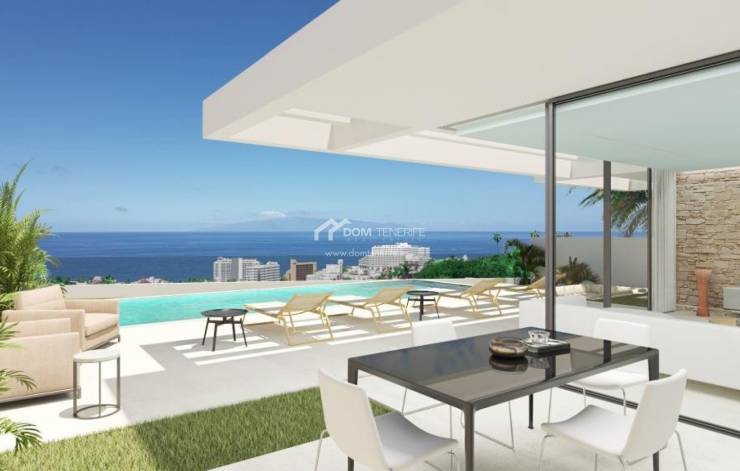
DOM Tenerife · Insight
Relocating to Tenerife with animal companions requires careful planning across veterinary documentation, housing standards, and local regulations. This guide addresses the practical and legal essentials for establishing pet-friendly residence in Costa Adeje, ensuring a seamless transition for both owner and animal.
Daily life in Costa Adeje follows a measured rhythm shaped by subtropical climate and European community integration. Mornings typically involve coastal walks or poolside routines; pets benefit from early hours before midday heat. Midweek grocery sourcing occurs at established supermarket chains stocking international provisions alongside local produce. Social engagement centres on golf clubs, yacht clubs, and residential community events where expatriate networks maintain regular contact. Evenings favour restaurant dining, with temperature moderation after sunset enabling outdoor activities. Veterinary appointments, administrative tasks, and home maintenance are absorbed into weekly schedules without disruption. Weekend patterns extend to nearby attractions—Teide National Park, alternative coastal towns—though many residents maintain largely local routines. Pets integrate into this structure through designated exercise periods, climate-controlled housing, and established veterinary protocols.
Discover the development in detail
Floor plans, specifications and current availability, sent by one of our advisors in your language.
See the developmentWhatsApp
Costa Adeje sustains comprehensive daily infrastructure across retail, dining, and professional services. International supermarket chains operate full-time with imported goods alongside regional staples; pet supply retailers stock specialist nutrition and care products. Private veterinary clinics operate multiple locations with English-speaking staff and diagnostic equipment meeting European standards. Banking, legal services, and administrative offices cluster near commercial zones; many institutions employ multilingual personnel accustomed to expatriate clients. Restaurants span fine dining to casual establishments, with pet-friendly terraces common in mild months. Pharmacy services include prescription dispensing with international recognition standards. Laundry, vehicle maintenance, and property services remain readily accessible. Fitness facilities, swimming pools, and recreational clubs operate year-round. Pet grooming and boarding services operate to professional standards. This infrastructure has developed specifically to serve affluent resident populations, reducing reliance on external municipalities.
Costa Adeje hosts established private educational institutions following British, American, and European curricula, serving expatriate families requiring continuity with home-country systems. Healthcare provision through private medical networks delivers diagnostics, specialist care, and emergency services to international standards, with practitioners trained across multiple European countries. Private insurance arrangements align with home-country expectations regarding coverage and access protocols. The resident population comprises predominantly Northern and Eastern European, British, and Russian nationals, creating stable expatriate communities with established social structures. Professional networks operate within finance, legal, luxury property, and business sectors. Language services remain ubiquitous; English dominates professional and social environments, though Spanish proficiency enhances administrative efficiency. Pet healthcare integrates within this ecosystem through private veterinary facilities equipped for preventive care, emergency treatment, and specialist procedures. Educational continuity for families accompanies residential establishment, reducing transition friction.
The Atlantic coastal setting defines recreational architecture in Costa Adeje. Marine activities include yacht clubs hosting internationally-registered vessels, beach clubs with membership structures, and water sports facilities operating seasonal programmes. Golf dominates the sporting calendar, with multiple championship-standard courses throughout the zone attracting international players and hosting touring competitions. Tennis clubs, gym facilities, and wellness centres cater to established fitness demographics. Coastal promenades accommodate dog walking, with designated pet areas and social gathering points along beach access zones. Social calendars revolve around club events, charitable galas, and community gatherings within residential compounds. Dining establishments cluster extensively along commercial avenues and waterfront locations; outdoor seating accommodates pet companions during temperate months. Yacht ownership and marine leisure define status within local hierarchies. Seasonal variations modulate activity intensity—winter months draw visiting populations, summer sees resident stability. Pet integration within these structures occurs naturally through established protocols.
Infrastructure density masks seasonal property vacancies common in luxury coastal markets; many residences remain unoccupied during summer months as owners pursue Northern European locations. Pet noise sensitivity becomes relevant where residential compounds contain sound-sensitive populations, requiring awareness of barking protocols and neighbour relations. Supply chain interruptions occasionally affect specialist pet nutrition and pharmaceutical availability; advance ordering requires planning. Humidity levels during summer months create mold management requirements in some older properties; air circulation and dehumidification become practical considerations. Veterinary emergencies outside business hours require advance identification of on-call facilities and associated costs. Pet liability insurance, whilst available, carries specific exclusions reflecting Spanish legal frameworks. Property regulations governing pet ownership vary by residential compound—documentation review precedes acquisition. Tax residency and healthcare registration intertwine with pet documentation requirements; administrative coordination demands multilingual support. Water restrictions imposed during dry periods occasionally affect irrigation and pet bathing routines. Integration into closed expatriate communities requires sustained social engagement rather than immediate acceptance.
Winter temperatures in Costa Adeje range between fifteen and twenty-two degrees Celsius, with occasional cold fronts reaching lower levels. Rainfall concentrates in winter months, though precipitation remains minimal compared to Northern European averages. This season attracts visiting populations seeking refuge from harsher climates and suits pet conditioning routines without heat-related complications.
Costa Adeje benefits from multiple private medical facilities staffed by internationally-trained practitioners and equipped with diagnostic technology meeting European standards. Insurance coordination with home-country providers remains straightforward; many practitioners maintain direct billing relationships with international health schemes. Specialist referrals process efficiently through established networks.
English dominates professional and daily transactions within Costa Adeje’s expatriate-oriented environment; Spanish fluency remains advantageous rather than essential. Administrative procedures—legal registration, tax compliance, property matters—benefit substantially from professional multilingual support, which DOM Tenerife provides through notary and registry accompaniment. Long-term residents typically acquire functional Spanish competency for personal and business refinement.
Successful pet relocation to Costa Adeje requires verification of documentation, housing standards, and administrative compliance. DOM Tenerife provides complete legal and document verification, multilingual accompaniment through NIE registration, banking procedures, notary coordination, and property registry processes. Contact us via WhatsApp at +34 673 560 035 to discuss your pet-inclusive property requirements and residential transition planning.
Let’s talk whenever suits you
Video call, a meeting at our El Madroñal office, or WhatsApp on +34 673 560 035. We guide you from reservation to deed, in your language. DOM Tenerife — Buy safely.
Request informationMessage on WhatsApp#pet relocation tenerife # tenerife dog-friendly housing
Phone
+34 922 089 199Mobile and whatsapp
+34 673 560 035
Address
Avenida Kurt Konrad Mayer 63, El Madroñal, 38660 Adeje, Santa Cruz de Tenerife, España.